
Homeowner resource / framing materials
Steel vs. Wood Framing for Residential Projects
A practical comparison of two common framing approaches, focusing on whole-assembly performance and the questions that matter before plans and estimates are finalized.
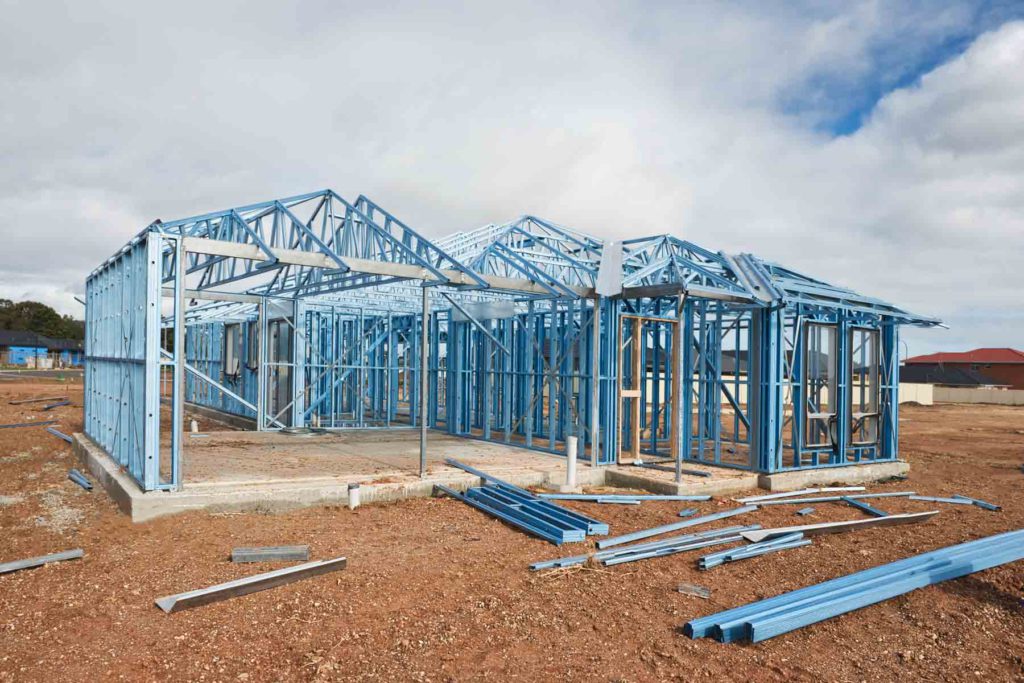
Start with the framing application
Comparing steel studs with wood studs only makes sense after identifying what the wall or system must do. A non-load-bearing partition is different from a load-bearing exterior wall, roof system or lateral-force-resisting assembly. California projects also need to account for code, energy, moisture and fire-resistance requirements where applicable.
Wood is familiar to many residential crews and can be economical for standard assemblies. Cold-formed steel offers manufactured consistency and is not a food source for termites, but introduces different fastening, thermal and corrosion details. Neither choice eliminates the need for competent design and workmanship.
Six criteria to compare
Loads and engineering
Verify structural drawings, member size, anchorage, bracing and the interface with foundations and existing construction.
Fire and life safety
Steel is noncombustible, but the complete rated assembly and the home's openings, cladding and detailing determine much of the real-world performance.
Energy efficiency
Steel transfers heat more readily than wood. Appropriate continuous insulation, thermal breaks and approved envelope assemblies are important.
Moisture and exposure
Wood needs moisture and pest management; steel needs corrosion-aware detailing and compatible fasteners in exposure conditions.
Sound control
Decoupling, insulation, board layers and penetrations matter more than assuming either stud material is automatically quieter.
Installed cost
Compare complete installed assemblies, not just stud prices. Labor, availability, wall finish, insulation, engineering and schedule all matter.

Questions to put to the design team
- Is this wall structural or a non-bearing partition?
- What structural details and inspections are required?
- What assembly is needed for insulation, acoustics and fire rating?
- How will services penetrate the studs and wall finishes?
- Are fasteners and protective coatings appropriate for the exposure?
- What do comparable installed quotes include and exclude?
Answers should be documented in the drawings and scope before construction begins.
Choose an appropriate next step
For light-gauge steel applications, see residential metal framing or the full framing service. For a broader renovation, see home remodeling and metal studs for remodels and additions.
Common questions
Frequently Asked Questions
Is steel always better than wood for framing?
No. The best choice depends on structure, assemblies, corrosion exposure, insulation design, trade availability, budget and applicable building codes.
Does steel framing eliminate wildfire risk?
No. A steel stud is noncombustible, but windows, roofing, cladding, vents, landscaping, contents and complete assemblies determine much of a home’s fire performance.
Let’s talk about your project
Compare framing approaches for your plans
Tell us about your project, location and goals. We can discuss the scope, relevant drawings and the next planning steps.